
We may receive a commission on purchases made from links.
Nostalgia often pulls us towards older technology, yet the rapid advancements in tech create challenges for integrating vintage devices with modern setups. This is particularly evident when attempting to connect older gadgets like the iPod to contemporary Bluetooth headphones or reminiscing with a retro gaming console or VCR. Most older devices utilize connections that are incompatible with today’s televisions, making it difficult to set them up without additional equipment.
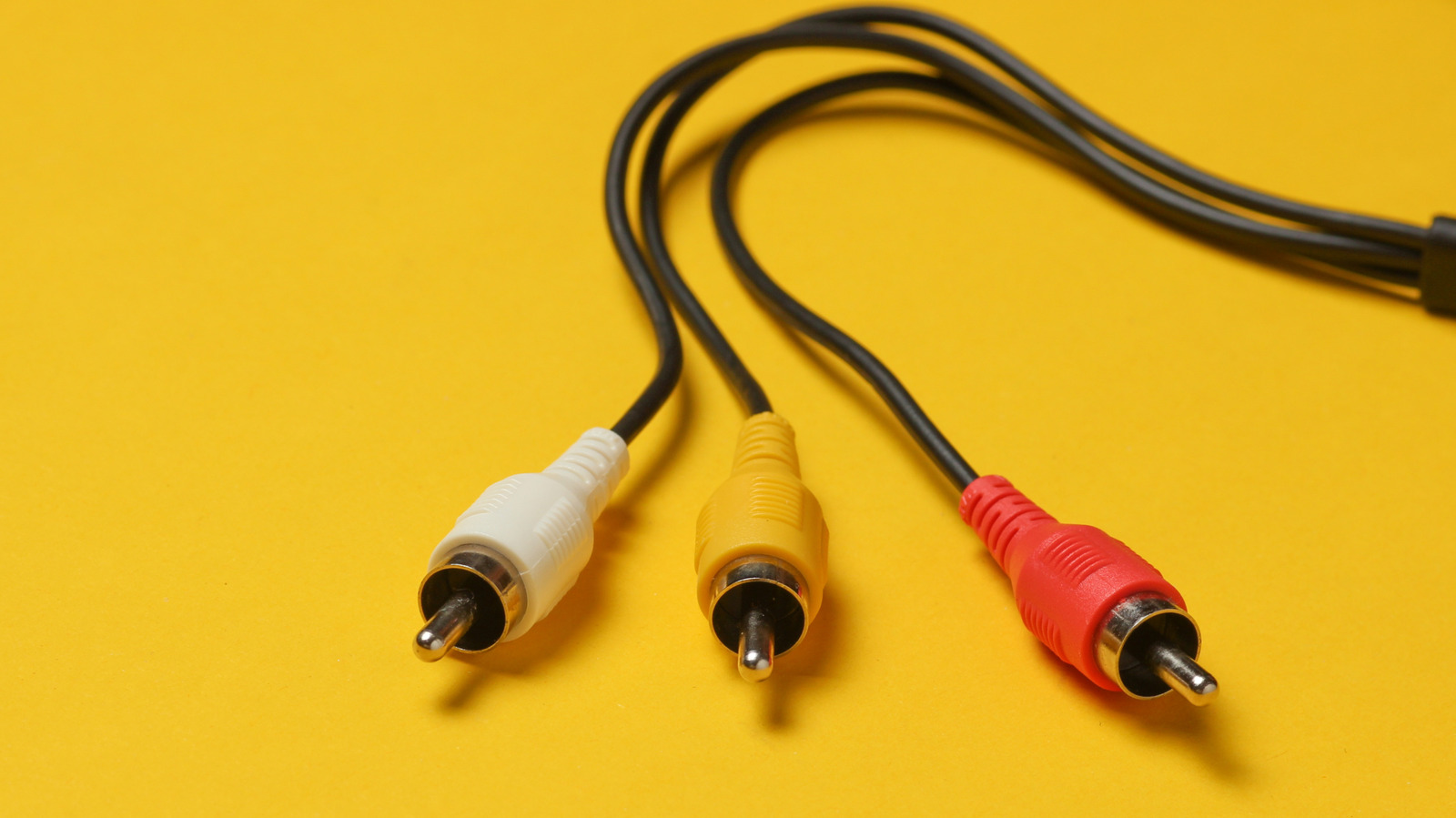
This is where RCA to HDMI converters become essential. Modern televisions typically feature at least one HDMI input designed for audio and video. If you've connected a contemporary gaming console to your TV, you’ve likely used an HDMI cable. However, many legacy devices are designed with older connection standards, such as RCA. To bridge this gap, RCA to HDMI converters are employed to connect these older consoles to modern displays.
RCA to HDMI converters serve the primary purpose of transforming analog signals from older devices into a digital format that modern televisions can interpret. Many of these converters also claim to upscale the video output to resolutions such as 720p, 1080p, or even 4K. Some models even offer to enhance the refresh rate to 60Hz. However, it is crucial to note that while these converters can upscale, they cannot improve the original quality of the content being played. For instance, if the source device is limited to a maximum resolution of 480p, simply converting it will not yield higher quality visuals.
Understanding the Trade-offs of Conversion
The primary function of RCA to HDMI converters is to change an analog signal into a digital one, but they also aim to enhance the output resolution to accommodate modern screen sizes. This is particularly relevant for vintage consoles such as the Nintendo 64 or PlayStation 2, which typically output at lower resolutions (240p or 480p) compared to today’s standards (1080p or 4K). However, pursuing higher resolution through conversion can lead to both financial and performance costs.
The price of RCA to HDMI converters can range significantly, from budget-friendly options like the Prozor RCA to HDMI converter to high-end models such as the RetroTink-4K Pro, which retails for around $750. In addition to the monetary expense, some converters may introduce input lag during signal conversion, which can affect gameplay experience. Consequently, some retro gaming enthusiasts prefer to use older CRT TVs that support RCA natively without the risk of added input lag.
It’s also important to understand that RCA to HDMI converters can only work with the quality of the input they receive. For example, they cannot magically transform the graphics of vintage games into sharp, high-definition visuals. Similarly, using a VCR through an RCA to HDMI converter won’t improve the quality of a VHS tape to match that of a Blu-ray disc, regardless of claims of upscaling to 1080p.
How Upscaling Affects Video Quality
Typically, if an RCA to HDMI converter offers output in native 1080p or 4K, it is likely utilizing upscaling technology in the process. This can enhance the image quality by presenting a resolution that is compatible with modern displays. The results of such upscaling can vary based on the specific upscaler and the device being connected, but many users find that it can create a clearer, more vibrant image than the original output.
While some high-end upscalers deliver impressive results, the effectiveness of upscaling can differ dramatically between devices. The initial resolution of the content also plays a critical role; lower resolutions from retro consoles often do not upscale effectively, which can lead to visual artifacts or distortion that detract from image quality. Moreover, it is advisable to use an upscaler that matches your display’s native resolution, as having both the converter and the television attempting to upscale the same image can negatively impact visual fidelity.
Interestingly, some users argue that the lower resolutions and inherent fuzziness of composite video can be more visually appealing for older graphics, as they obscure some of the technical imperfections—especially noticeable in 3D graphics from earlier gaming eras. For instance, the low-polygon graphics of the PlayStation or Nintendo 64 may appear smoother at their original resolution, while enhancing them could bring attention to the jagged edges and blocky models characteristic of that era.
Conclusion
In summary, RCA to HDMI converters can be helpful for connecting older devices to modern televisions, but they come with limitations and trade-offs. While they can upscale video signals, the quality of the output often depends on the original resolution of the source material. For those seeking to enjoy retro gaming or classic films, understanding these nuances can enhance the overall experience.
Source: SlashGear News